Understanding the Psychology of Bluffing
Bluffing in poker is not merely about convincing opponents that you have a superior hand; it is a complex interplay of psychology, strategy, and timing. Successful bluffers understand the emotional and mental states of their opponents, leveraging this knowledge to influence decisions at the table. Many players explore various techniques, including strategy adjustments used in bitcoin betting sites , to gain a competitive edge and maximize their chances of success. The more attuned you are to the psychological aspects of the game, the more effective your bluffs will be.
This psychological warfare extends beyond mere observation; it involves committing to a strategy that allows for the possibility of deception. Crafting a compelling narrative around your hand is crucial. For instance, if you have a weak hand but have been playing aggressively, your opponents may perceive you as holding a strong position, which can create enough doubt in their minds to fold better hands. This understanding of psychological manipulation can be the key to mastering the art of bluffing in poker.
Additionally, it’s important to remember that bluffing can evoke strong reactions from opponents. A well-timed bluff may instill fear or uncertainty, forcing others to question their own strategies. However, the bluff must be subtle and believable; a glaring attempt at deception can backfire, leading to a quick loss of chips. Therefore, evaluating the table dynamics and adjusting your approach based on the psychological landscape is essential for effective bluffing.
Choosing the Right Moments to Bluff
Identifying the right moments to bluff is fundamental to becoming a successful poker player. A bluff is most effective when it aligns with the progression of the game and the tendencies of your opponents. For instance, if the table has been playing tightly, a sudden aggressive bet could send the message that you possess a strong hand. Conversely, if the table is loose and players are frequently calling bets, it could be more challenging to pull off a bluff without being called. Understanding these dynamics can enhance your ability to execute a successful bluff.
The timing of your bluff can significantly impact its success. Factors such as the number of players remaining in the hand, the community cards, and the size of the pot play a crucial role. For example, bluffing on the river—a situation where the final community card is revealed—can be particularly potent if the board suggests a strong hand that you could potentially have. Similarly, employing a semi-bluff—where you bet on a draw—can maximize both your chance of success and potential winnings if the draw completes.
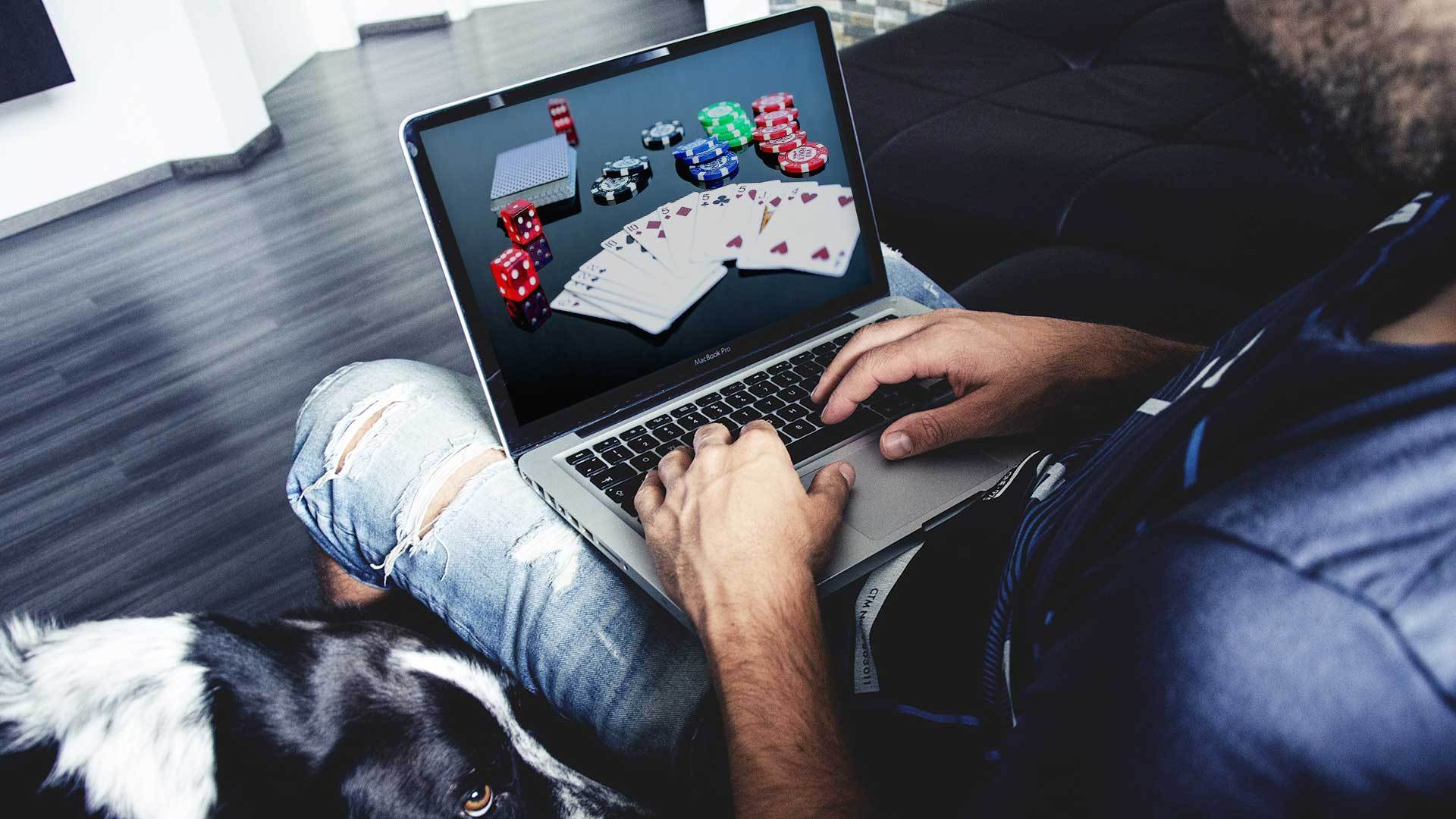
Moreover, recognizing the patterns of your opponents will help you determine when to bluff. If you notice that a particular player has been folding to pressure, taking a calculated risk by bluffing against them could yield positive results. Ultimately, the ability to assess the situation accurately and choose the right moment to bluff can turn the tide in your favor during a poker game.
The Art of Reading Your Opponents
Reading your opponents is an integral component of successful bluffing in poker. Observing their betting patterns, body language, and reactions during the game can provide insights into their hand strength and emotional state. For instance, a player who suddenly becomes quiet or fidgety may be feeling uncertain about their cards, making them susceptible to a well-timed bluff. Understanding these cues allows you to tailor your strategy accordingly, increasing the likelihood of a successful deception.
In addition to physical cues, analyzing how your opponents react to specific situations can illuminate their tendencies. For example, if a player frequently bets aggressively with strong hands but tends to call with weaker ones, adjusting your bluffing strategy to target them can lead to successful outcomes. Conversely, if you regularly face opponents who are overly cautious or frequently fold, consider bluffing less aggressively, as there may be less opportunity for a successful bluff.
Furthermore, establishing a consistent play style for yourself can also enhance your ability to read others. By maintaining a steady pattern of behavior, your opponents will find it more difficult to pinpoint when you are bluffing. This inconsistency creates an additional layer of complexity that can be advantageous when executing a bluff. As you become adept at reading your opponents, your overall poker strategy will evolve, making bluffing an integral part of your gameplay.
Practicing Effective Bluffing Techniques
Practicing various bluffing techniques is essential for honing your skills in poker. One effective approach is the “continuation bet,” where you bet on the flop after raising pre-flop. This technique can create the illusion that you have a strong hand, especially if the board is favorable. Additionally, adjusting your bet sizing based on the texture of the board can enhance your bluffing strategy. A larger bet may signify strength, while a smaller bet can invoke an image of weakness, encouraging your opponents to call.

Another valuable technique is the use of “reverse tells.” This strategy involves intentionally providing cues that suggest you are strong when you’re not and vice versa. By bluffing confidently and maintaining consistent body language, you can mislead your opponents about the strength of your hand. However, this technique demands careful execution, as any inconsistency in your behavior may raise suspicions among observant players.
Lastly, engaging in online poker games or low-stakes live games can provide a safe environment for practicing your bluffing techniques. Experiment with various approaches, analyze your outcomes, and adjust your strategies accordingly. Consistent practice and reflection will lead to increased confidence in your bluffing abilities and an overall improvement in your poker game.
Choosing the Right Platform for Poker Enthusiasts
When it comes to mastering poker, selecting the right platform can significantly enhance your learning experience. Many websites offer poker simulations and tutorials that cater to players of all skill levels. These platforms provide valuable resources to improve your understanding of the game, particularly in areas like bluffing and reading your opponents. Engaging with the poker community online can also offer insights from experienced players who share strategies and tips.
Additionally, many online platforms host regular competitions and tournaments that allow players to practice their skills in real-time. These competitive environments are perfect for testing your bluffing techniques under pressure and refining your overall strategy. Participating in diverse game formats, from cash games to tournament play, can expose you to various styles and strategies that will elevate your game.
Ultimately, immersing yourself in a robust online poker community equips you with the tools necessary for mastering bluffing and enhancing your poker skills. By leveraging the resources available on these platforms, you can develop a well-rounded approach to the game, ensuring that you are not only proficient in bluffing but also a formidable opponent at the poker table.

 เกษตรอินทรีย์( 7 Items )
 สมุนไพรแห้ง( 7 Items )
 ( Items )
 ชา & สมุนไพร( 1 Items )
 ผลิตภัณฑ์ดูแลผิว( 2 Items )
 เครื่องสำอางจากสมุนไพร( 35 Items )
 ผลิตภัณฑ์ดูแลผม( 14 Items )
 เครื่องหอม & สปาสมุนไพร( 4 Items )